created by Christoph Spiegel

IOL 2025 Wrapped
This year brought new faces to our lab, saw important research breakthroughs, and took us around the world to share our work.
Join us as we take a look back at the past year!
Fresh faces and fond farewells!
Our research lab is constantly evolving with new members joining and others moving on to new opportunities.
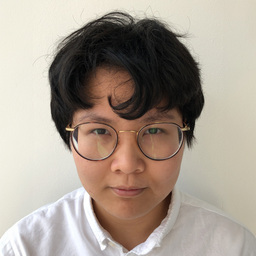
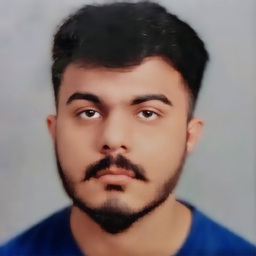
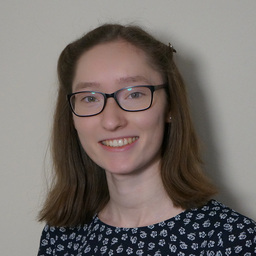
Seven new researchers joined our lab …



… along with many new student research assistants and interns.



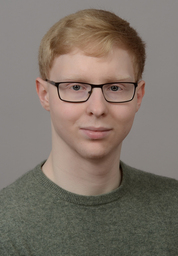

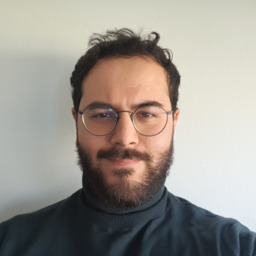
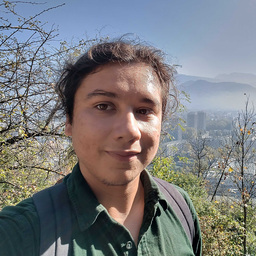
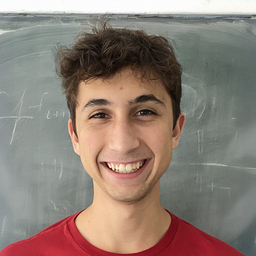
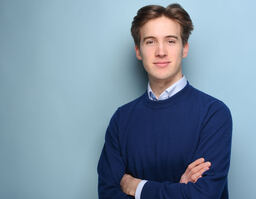
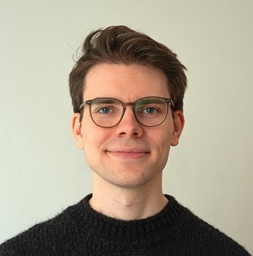
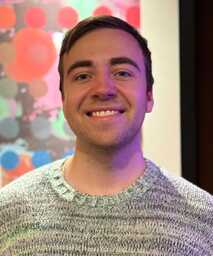
Seven researchers moved on to new opportunities …


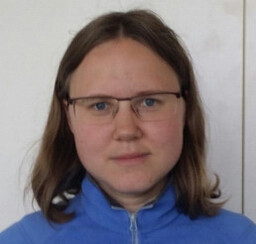

… and several students completed their time with us.
Our lab expanded with two new research areas!

iol.HUMAN: Humans and AI
Human-AI interaction, AI for learning and education, decision-making with AI, and AI in AR and VR.
Jana Gonnermann-Müller leads the new iol.HUMAN area, developing LLM-based agents for personalized education and studying how humans and AI complement each other in decision-making.
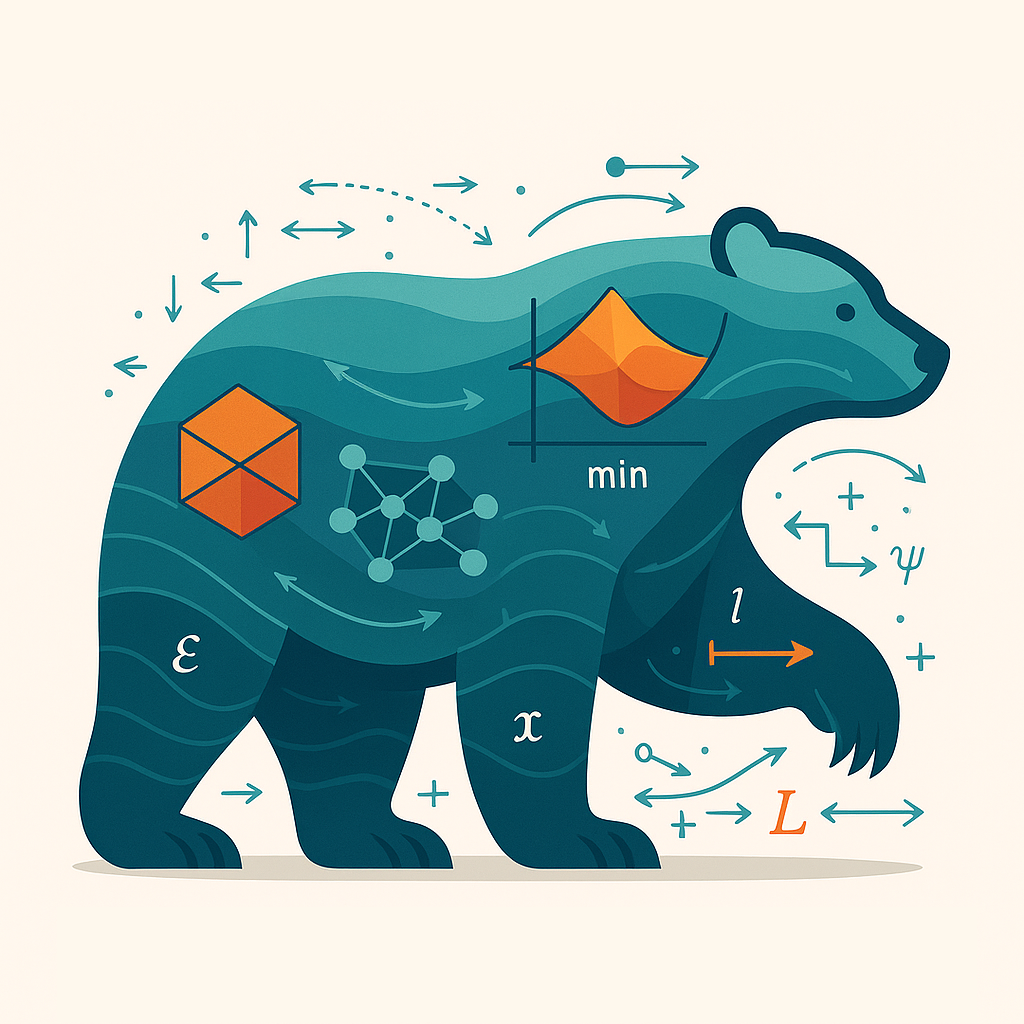
iol.OML: Optimization and Learning
First-order methods, convex optimization, min-max optimization, and optimization for deep learning.

Christophe Roux leads the new iol.OML area, focusing on first-order methods for machine learning, in particular projection-free methods and principled optimizers for training deep neural networks.
With these additions, IOL now comprises seven research areas spanning integer optimization, continuous optimization, deep learning, quantum mathematics, computational mathematics, optimization for ML, and human-AI interaction.
Antonia joined our lab in May 2020. In June, she defended her PhD on
Advancing mixed-integer programming using data-driven and deduction-based methods
supervised by Sebastian Pokutta as part of the iol.INT group.
Shpresim joined our lab in September 2020. In October, he defended his PhD on
Explainable artificial intelligence
supervised by Sebastian Pokutta as part of the iol.LEARN group.

Eight people also completed their Bachelor or Master theses while working in our lab and three of them continued to pursue their PhD!
Our postdocs are taking on exciting new roles!
Sébastien Designolle started an
Inria Starting Faculty Position
in the QINFO group at the École Normale Supérieure in Lyon. Congratulations!
Sai Ganesh Nagarajan started a
Tenure-Track Assistant Professor position
at the Department of Mathematics and Computer Science (IMADA), University of Southern Denmark in Odense. Congratulations!
Ksenia Bestuzheva was a member of our lab for over six years and led the development of the SCIP solver as part of the iol.INT group. She joined the
solver development team at GAMS,
a leading company for mathematical optimization software. Congratulations!
We published our work in leading venues including ICML, NeurIPS, ICLR, AISTATS, CPAIOR, Mathematical Programming, Mathematics of Operations Research, SIAM Journal on Optimization, and ACM Transactions on Mathematical Software.
Some highlights were …
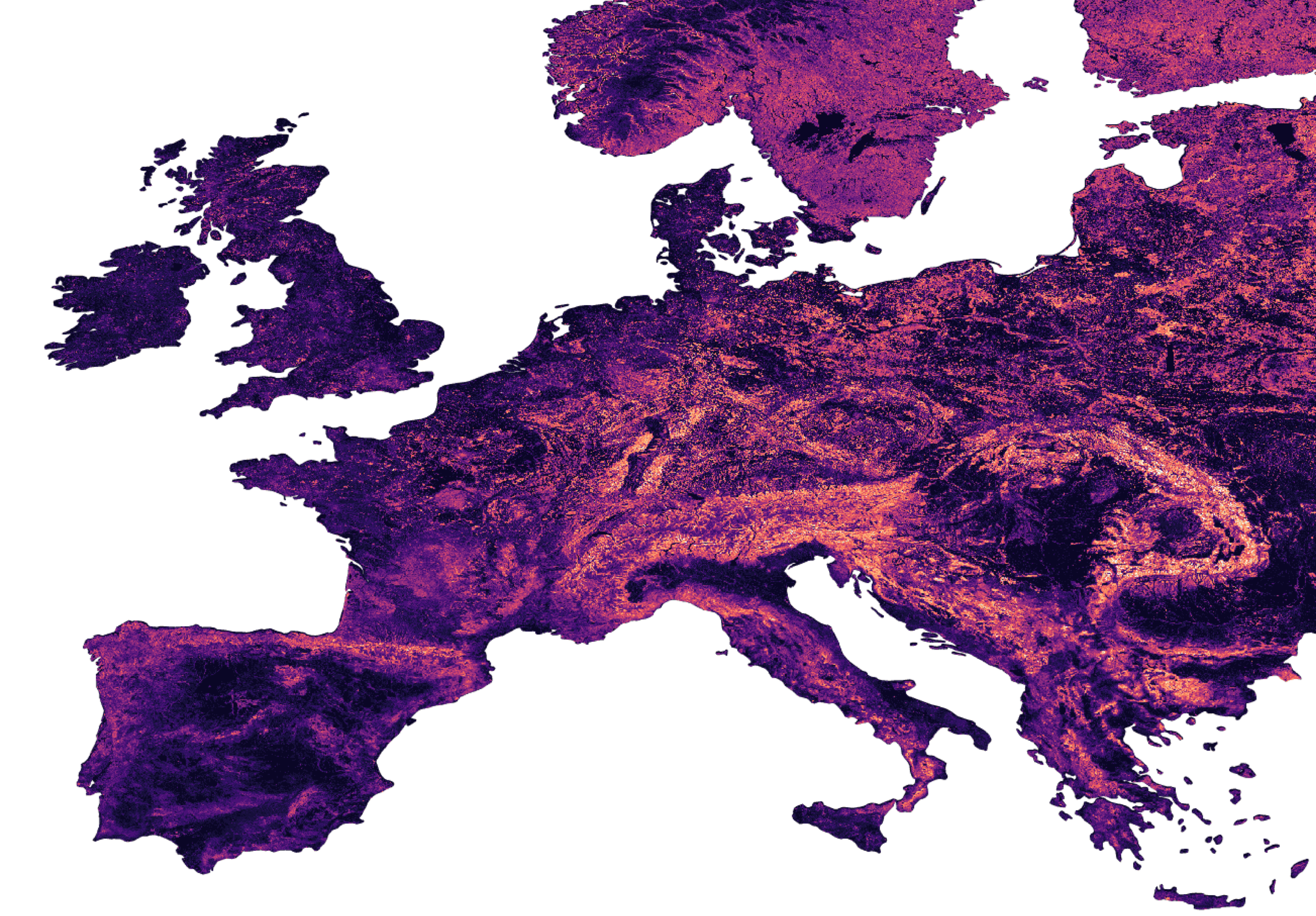
Forests play a critical role in climate regulation and biodiversity, yet monitoring their structure at scale has been challenging.
We present the first 10m resolution temporal canopy height map of the European continent for the period 2019–2022.
This work by Jan Pauls, Max Zimmer, Berkant Turan, and collaborators was presented at ICML 2025 and enables unprecedented insights into forest dynamics across Europe.
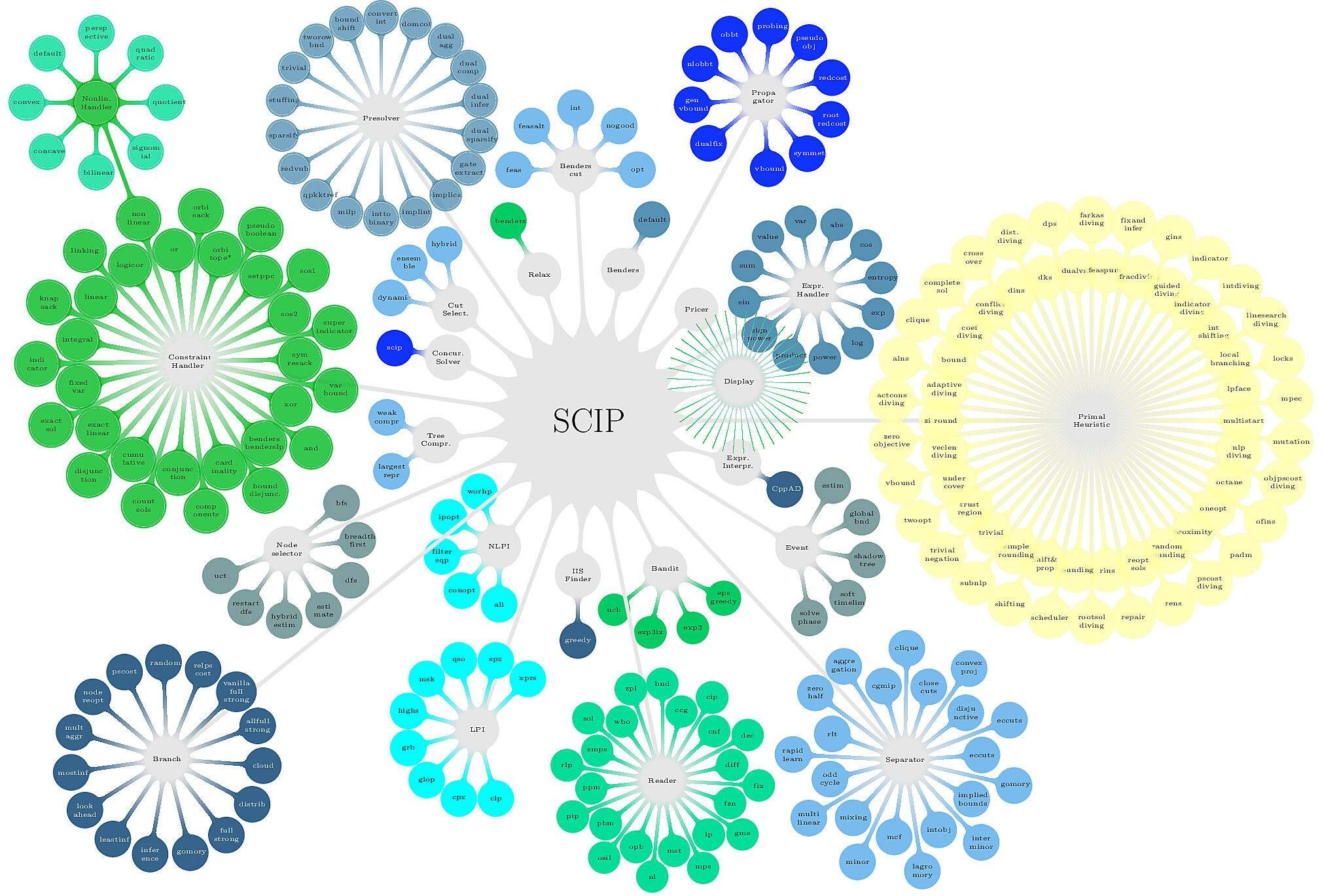
The SCIP Optimization Suite is one of the most powerful open-source solvers for mixed-integer programming and constraint optimization.
Version 10.0 introduces numerically exact solving for rational MILPs, infeasibility explanations, and significant performance improvements!
Key features include stronger presolving, improved symmetry handling, new heuristics, and major updates to GCG, PaPILO, PySCIPOpt, and the new MIP-DD delta debugger. A collaborative effort with contributions from Ksenia Bestuzheva, Gioni Mexi, Dominik Kamp, João Dionísio, and many others from our team.
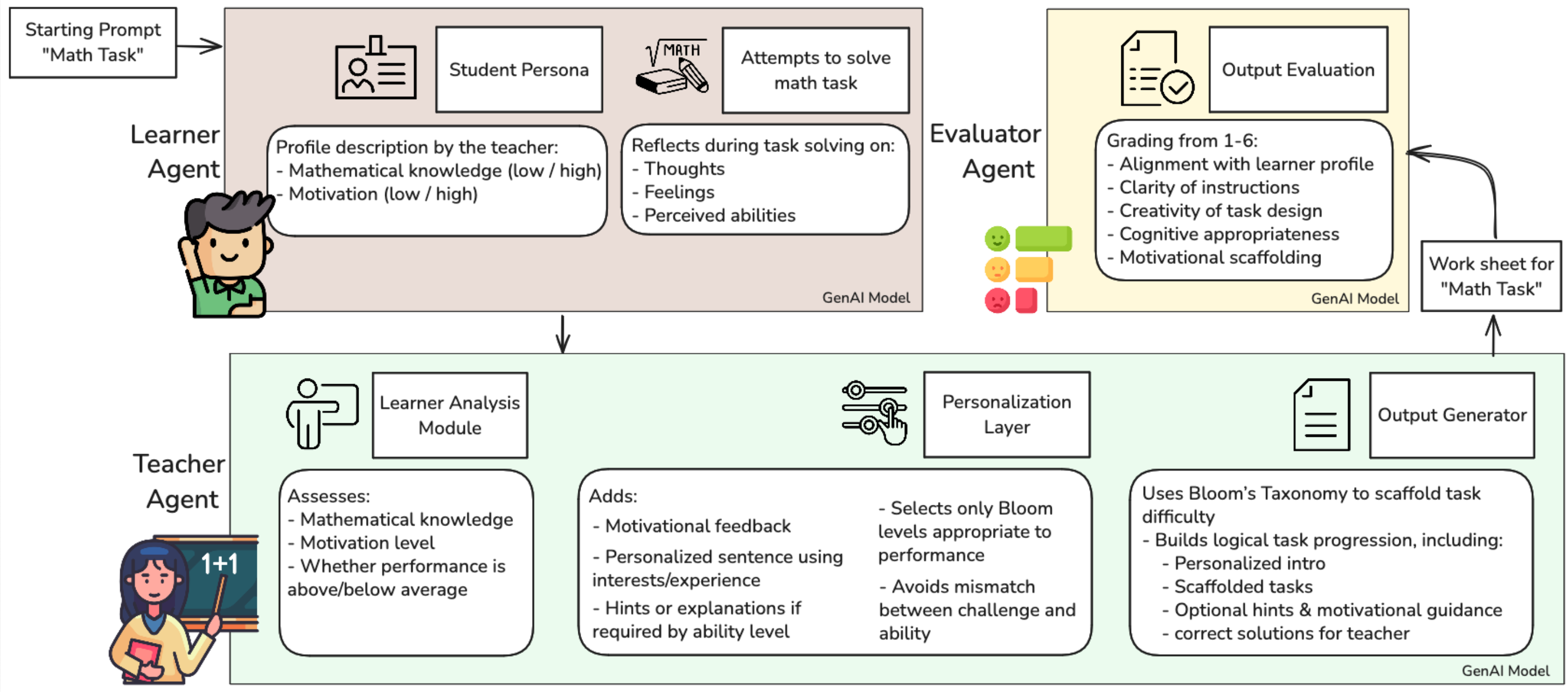
Teachers face the challenge of creating differentiated materials for diverse learners in heterogeneous classrooms.
We developed FACET, a multi-agent AI system that helps teachers generate personalized educational materials using large language models!
Jana Gonnermann-Müller, Jennifer Haase, Nicolas Leins, and Max Fackeldey co-created this framework with partner schools, integrating cognitive and motivational dimensions of learner profiles. A heartfelt thank you to all partner schools for their insights.
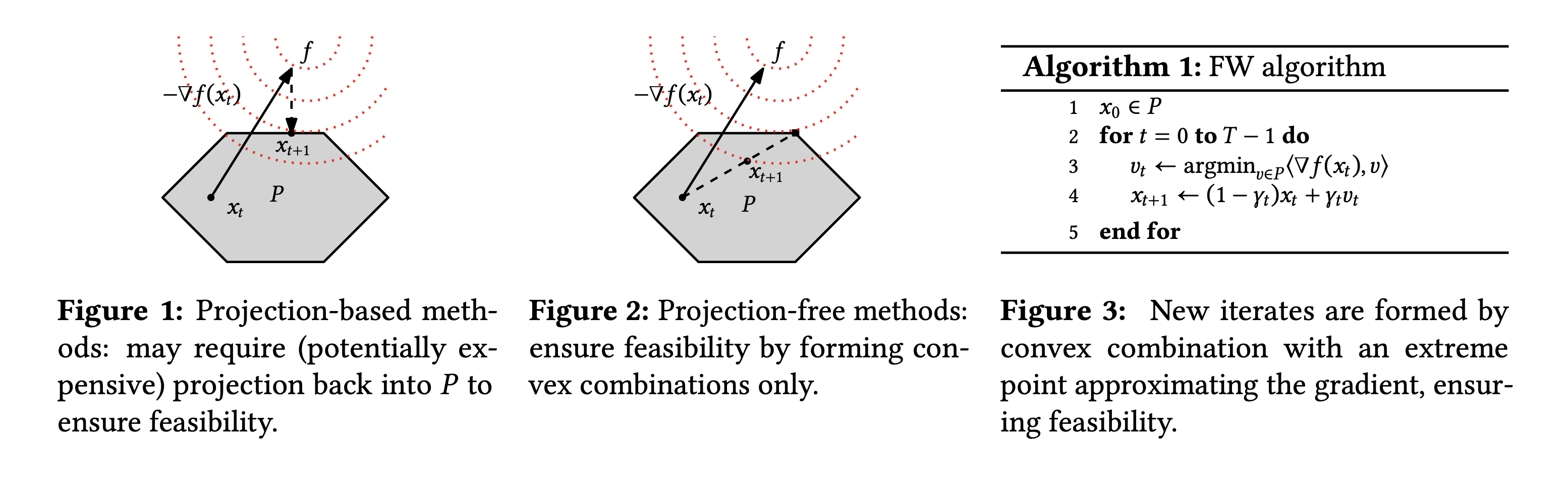
First-order optimization methods are essential for large-scale machine learning and constrained optimization problems.
Our FrankWolfe.jl library was published in ACM Transactions on Mathematical Software, establishing a comprehensive toolkit for practitioners and researchers!
The package provides state-of-the-art Frank-Wolfe algorithm variants with a modular design that enables easy experimentation and extension. Authors include Mathieu Besançon, Sébastien Designolle, Deborah Hendrych, Elias Wirth, and others from our team.
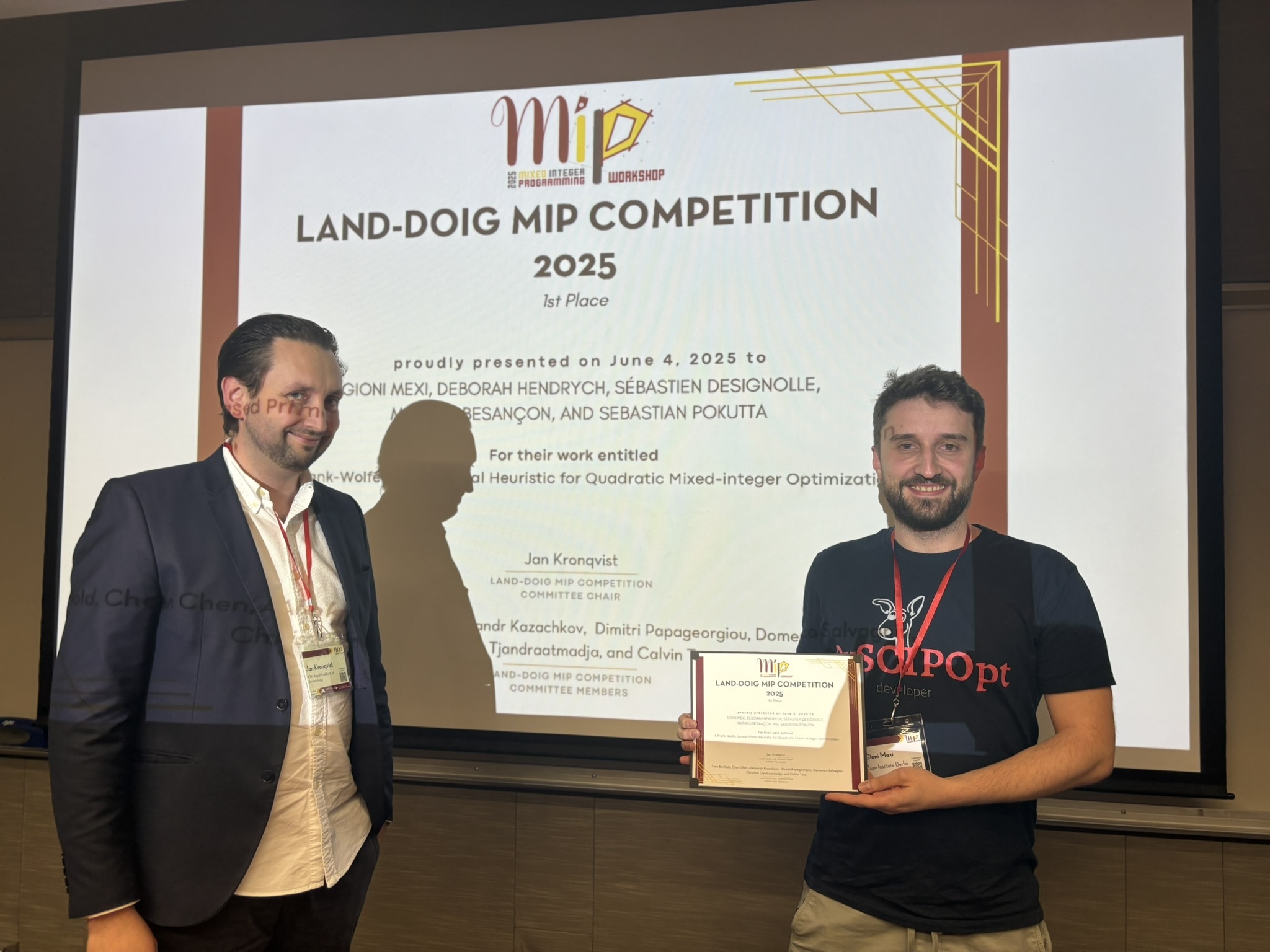
Recognition came in several forms this year.
VKO Science Prize 2025
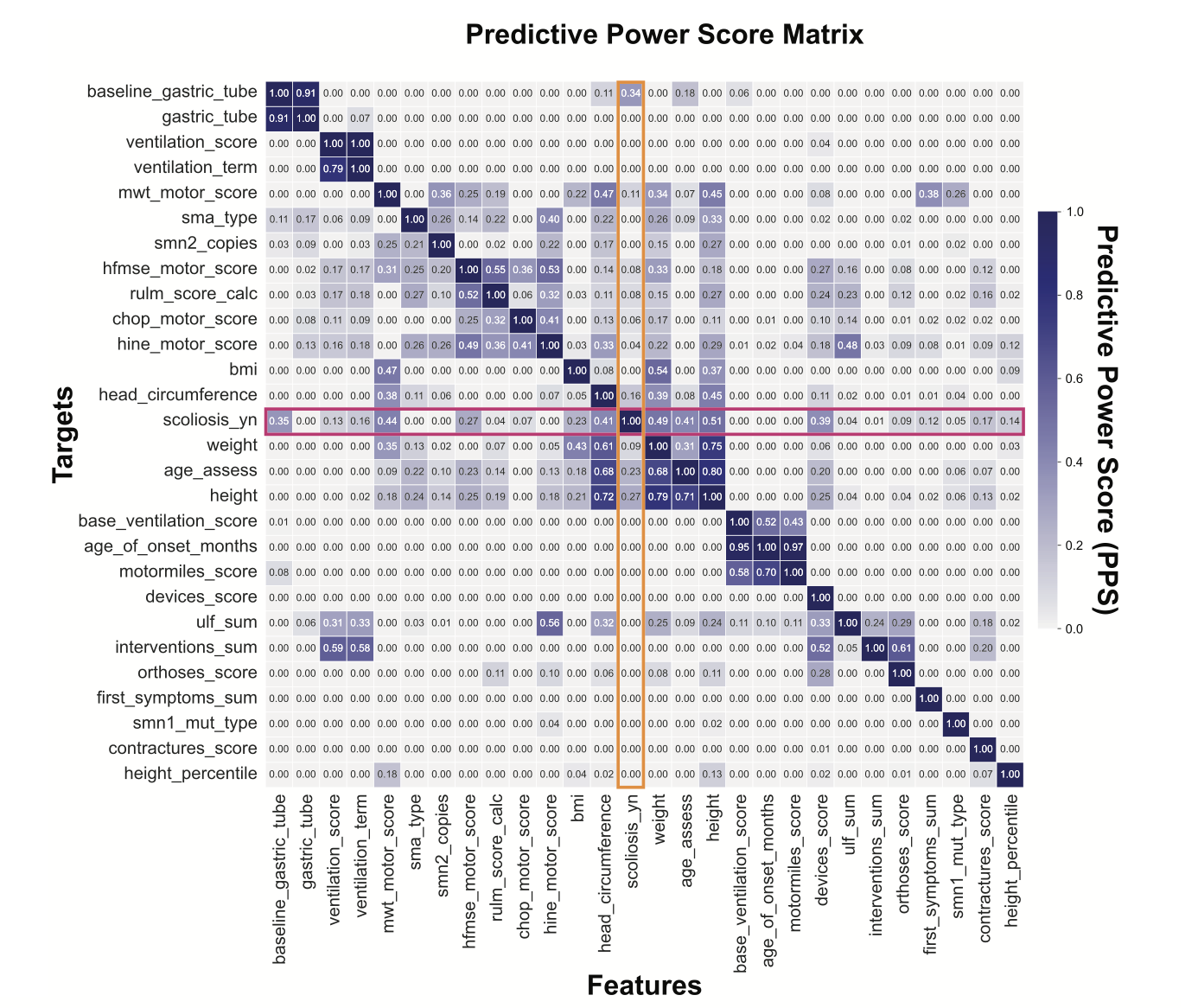
Our iol.LEARN interdisciplinary work on predicting scoliosis in spinal muscular atrophy was recognized with the Science Prize of the Association for Pediatric Orthopedics.
This research is made possible by continued support …
MATH+ extended!
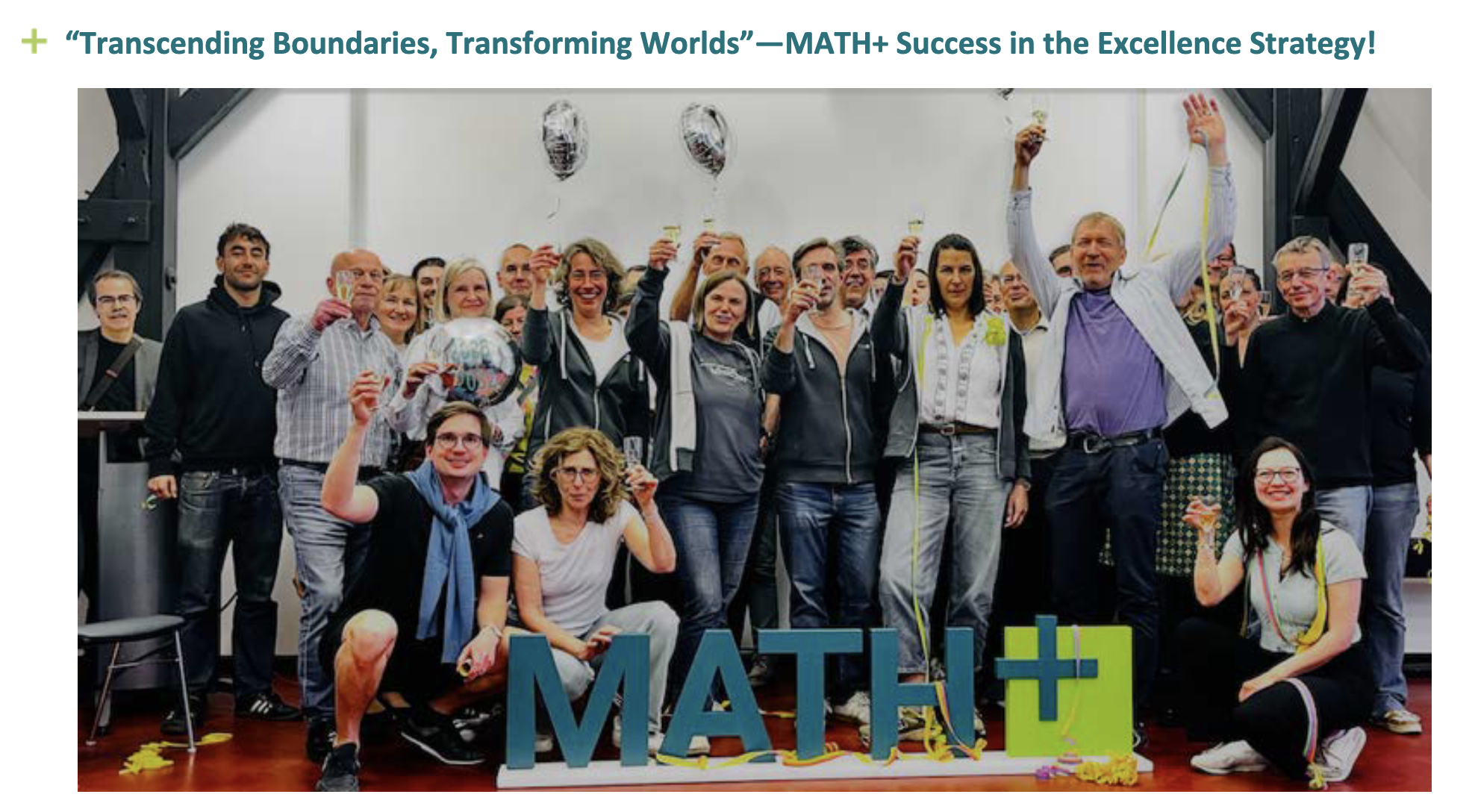
The Berlin Mathematics Research Center MATH+ was extended by the DFG, securing continued funding for interdisciplinary mathematics research. Sebastian Pokutta continues as co-chair jointly with Claudia Schillings (FU) and Andrea Walther (HU).
MODAL extended and FUHUB opened!
The BMBF extended the MODAL research campus for another funding period. We also celebrated the opening of the new FUHUB location, strengthening collaboration between ZIB and Berlin’s universities.
We also took our research on tour …
We organized DOML 2025!
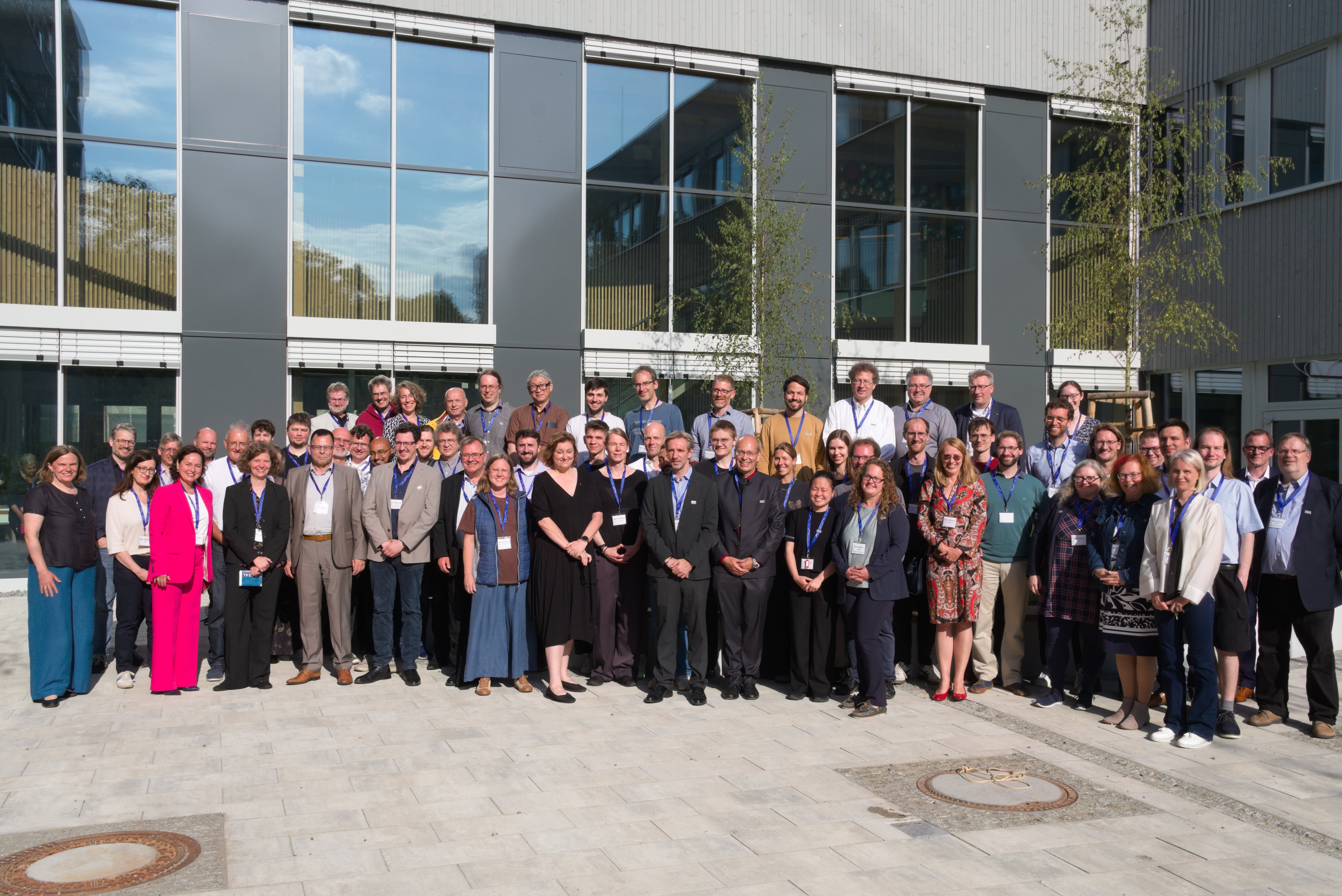
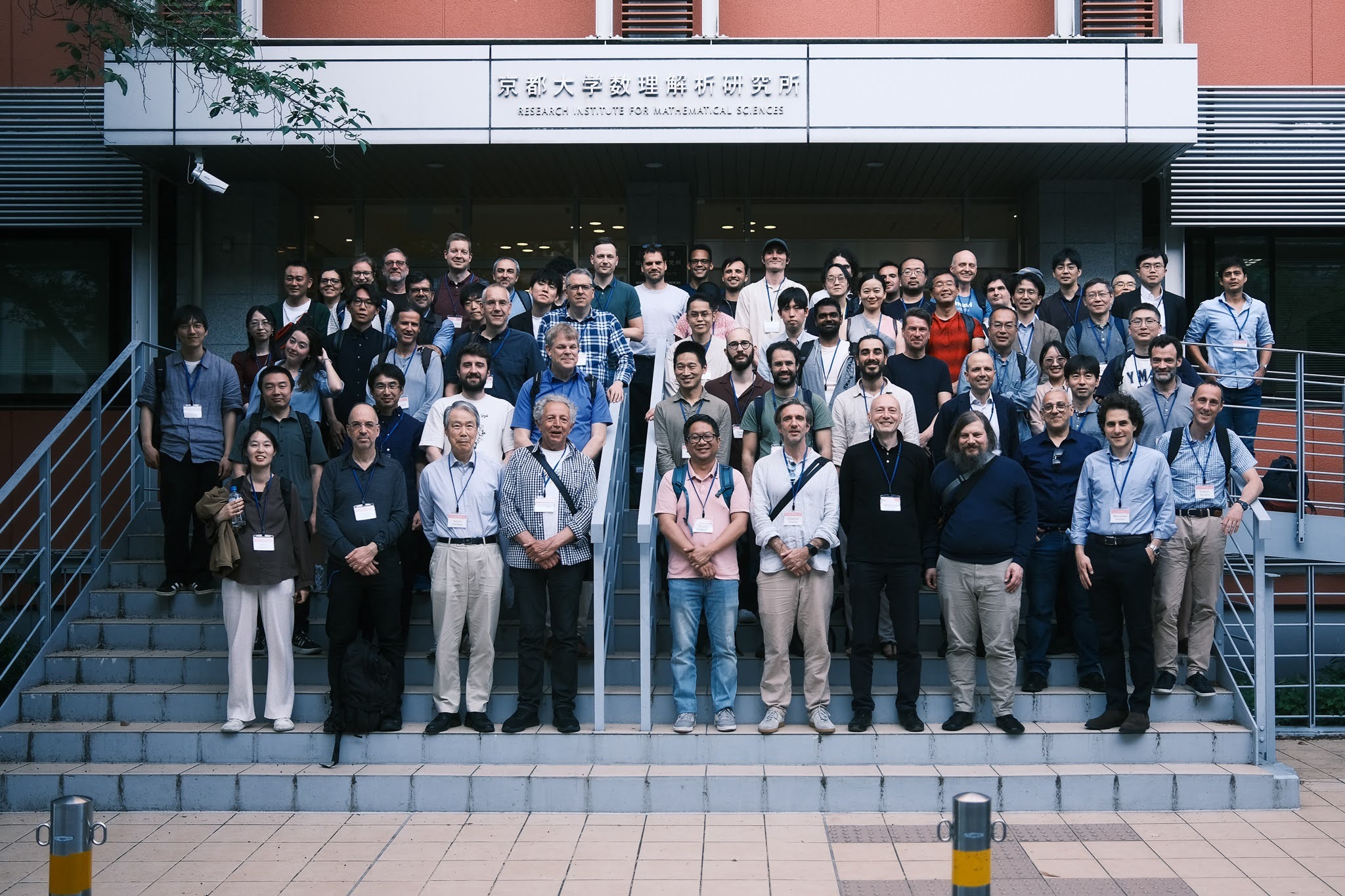
Our group organized the 7th Conference on Discrete Optimization and Machine Learning (DO×ML 2025) in Japan.
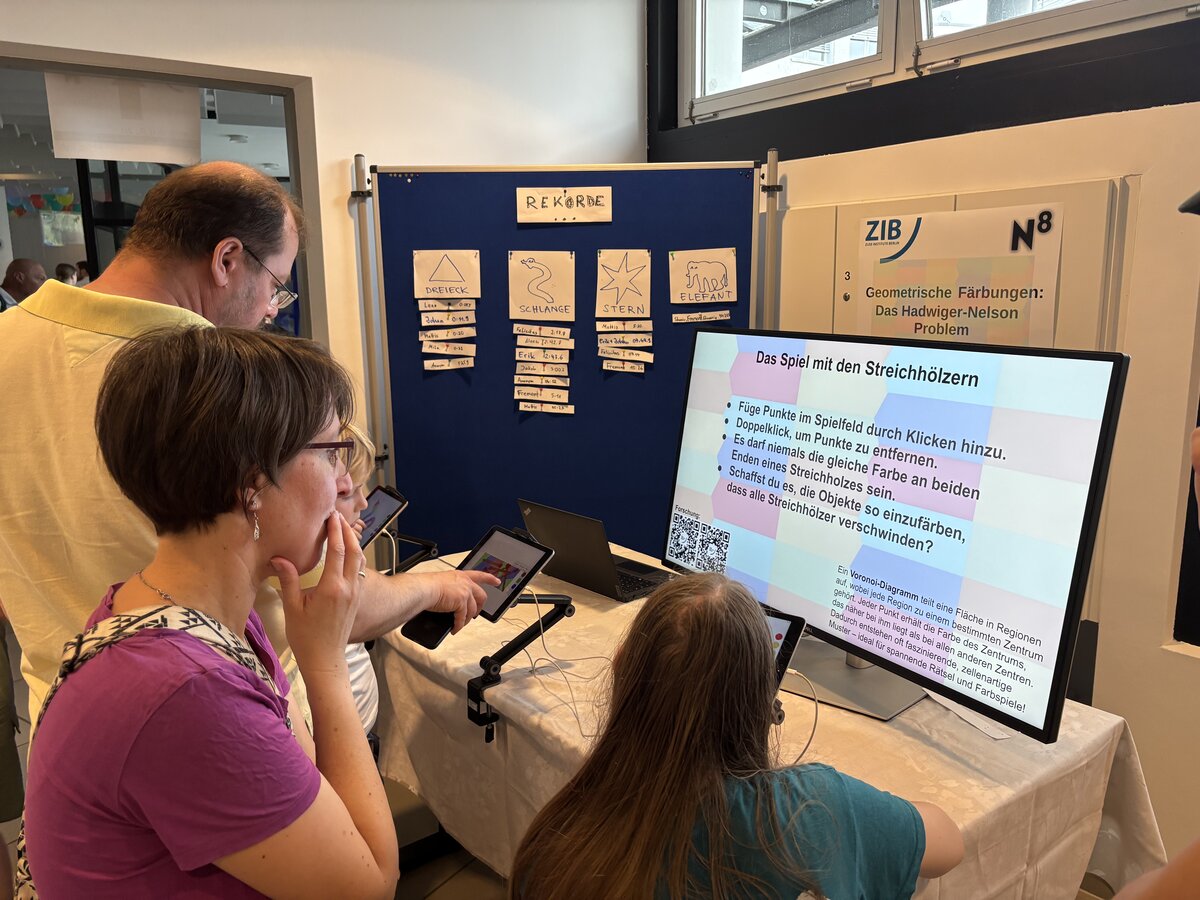
At the Long Night of Sciences, IOL members actively engaged visitors with hands-on demonstrations of our research …
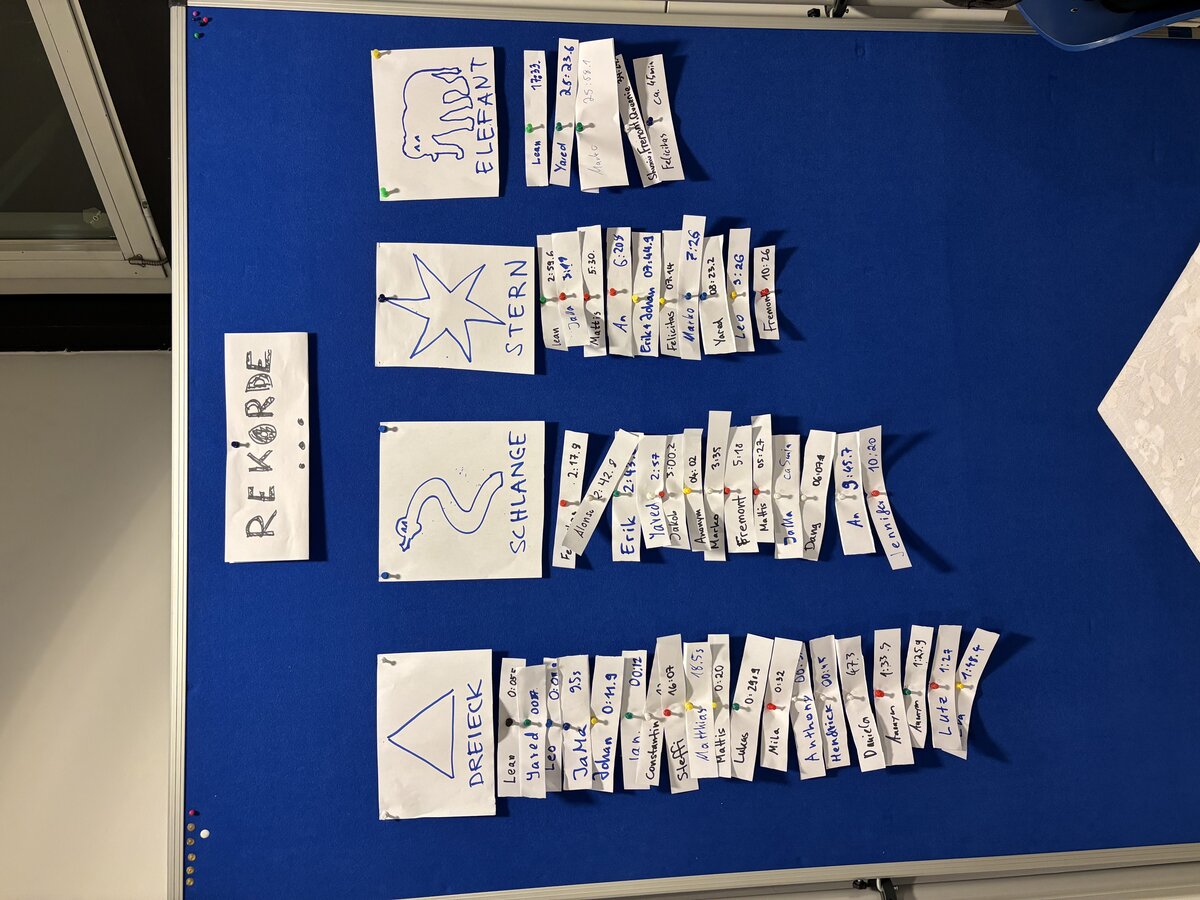
… and visitors explored AI and optimization through interactive exhibits.
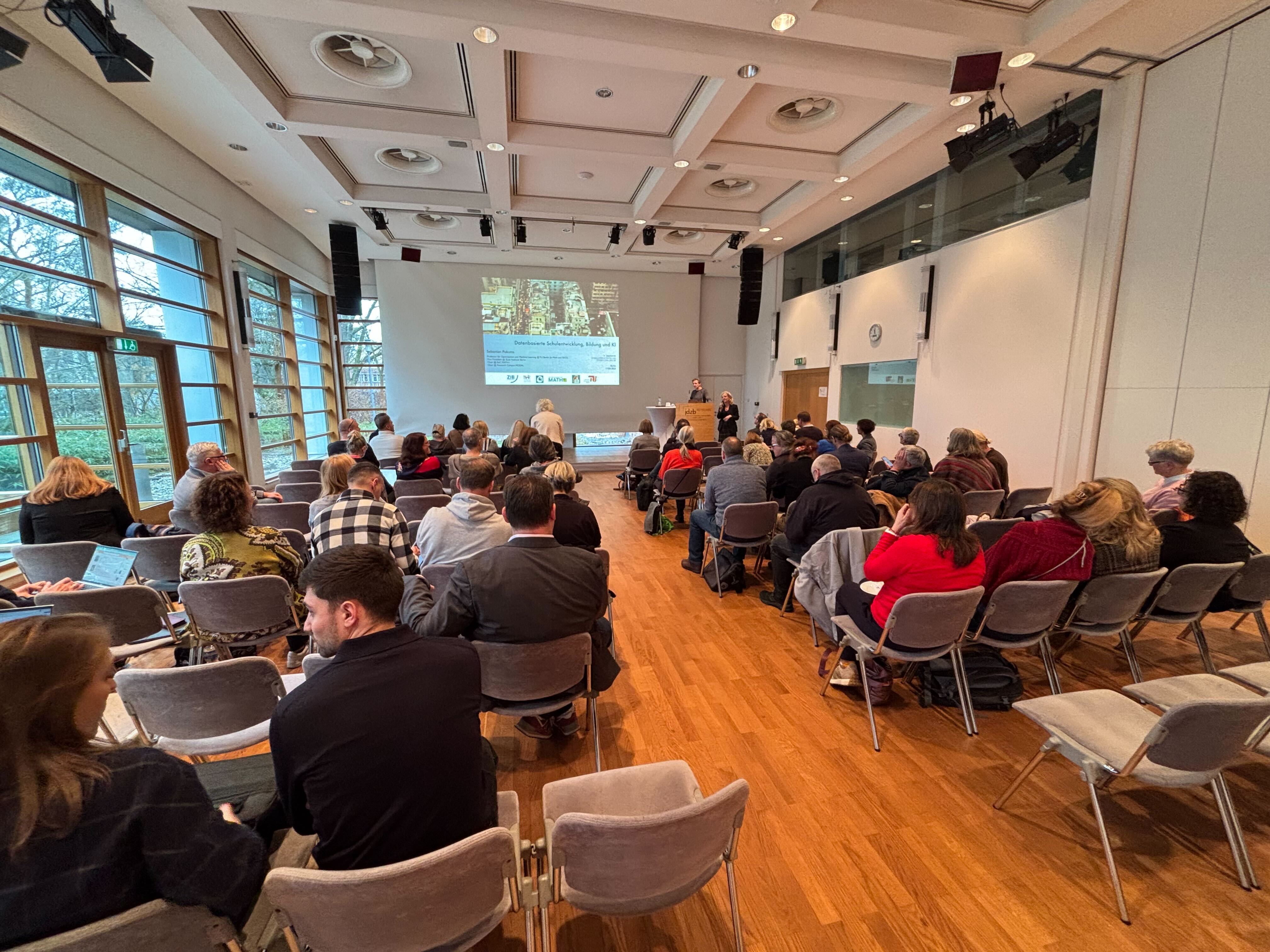
At the KI-Fachtag, we brought together 50-70 school principals for a keynote and hands-on workshops on AI in education.
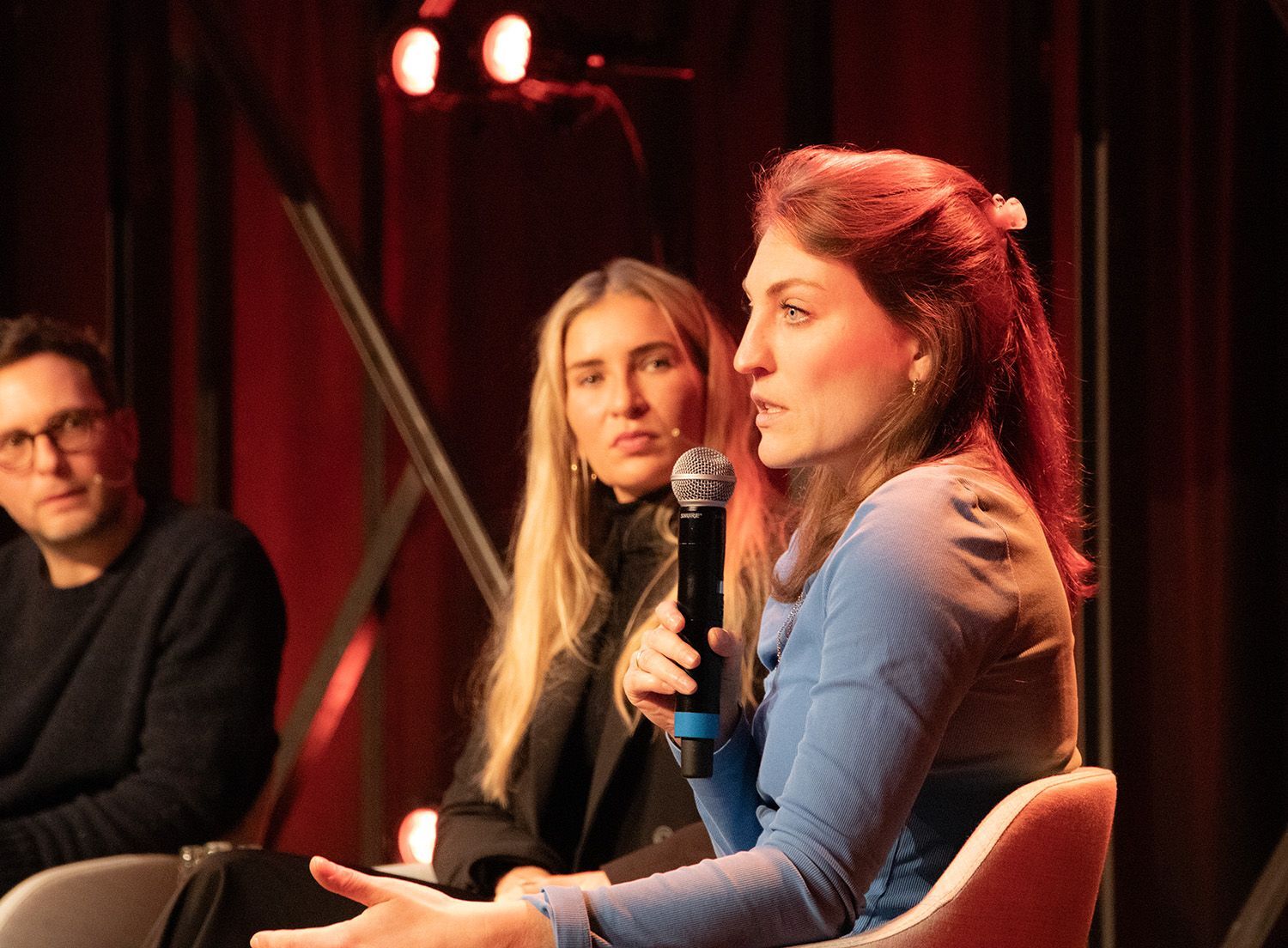
At the 4th Weizenbaum Debate, we discussed how AI must strengthen understanding rather than enable cognitive offloading.
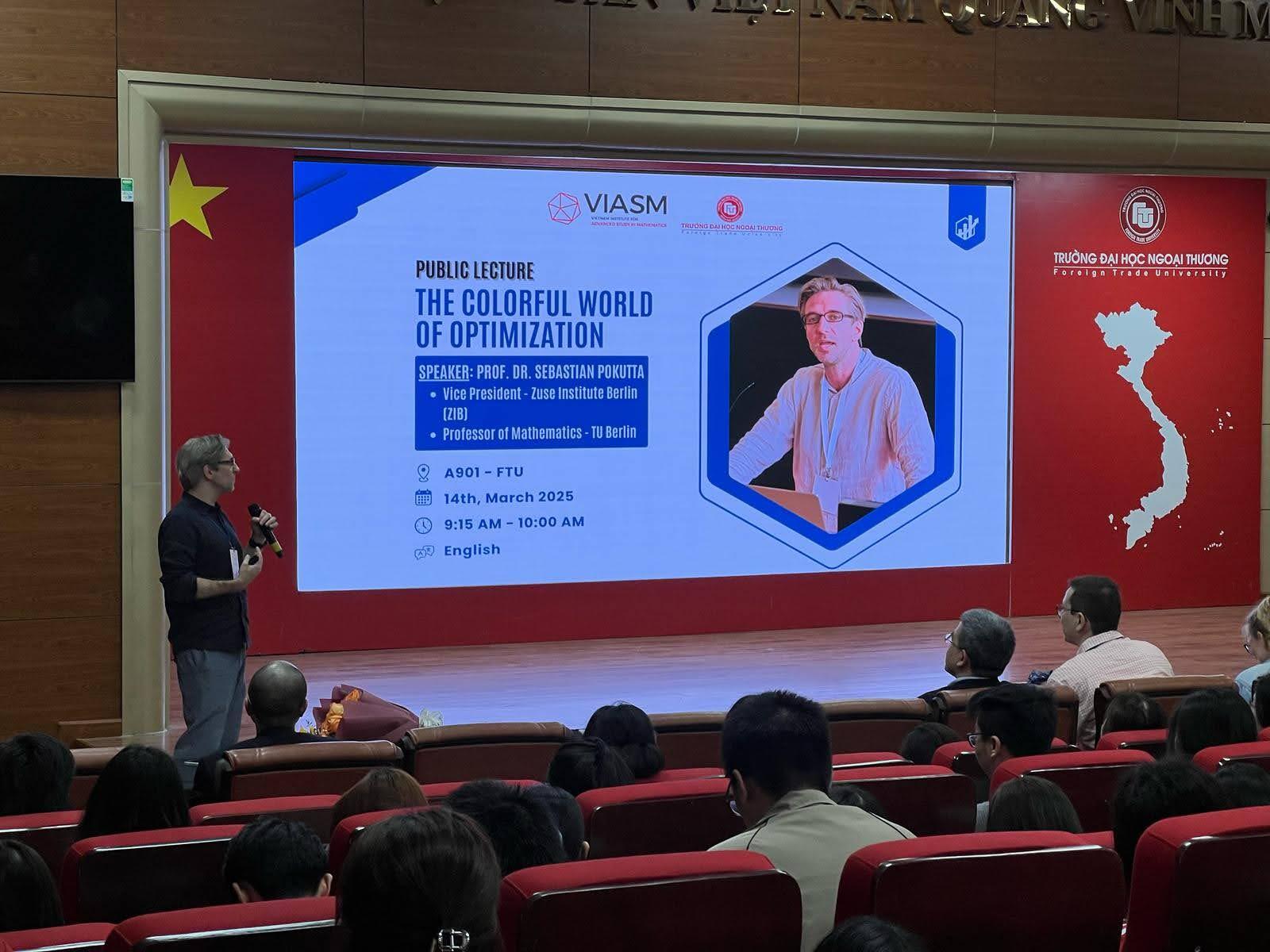
Pi Day Lecture in Vietnam
Sebastian Pokutta was invited to give the official Pi Day lecture in Vietnam, celebrating mathematics on March 14th with an international audience.
International collaboration is at the heart of our research.
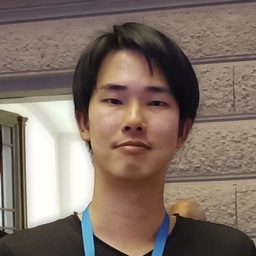
Hiroshi Kera (Science Tokyo) spent an extended research stay with us, collaborating on computational algebra and deep learning for polynomial systems.
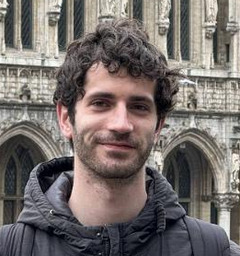
João Dionísio (University of Porto) visited for six months as a PhD student, contributing to SCIP development and integer optimization research.




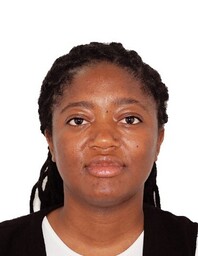
We also hosted research stays from Marc Pfetsch (TU Darmstadt), Stephen Wright (Wisconsin-Madison), Nguyen Dong Yen (VAST Vietnam), Mathieu Besançon (INRIA), Takeshi Koshizuka (Science Tokyo), Manuella Nakam Yopdup (AIMS Rwanda), Marouane Felloussi (EMSE), Seta Rakotomandimby (ENPC), and others.
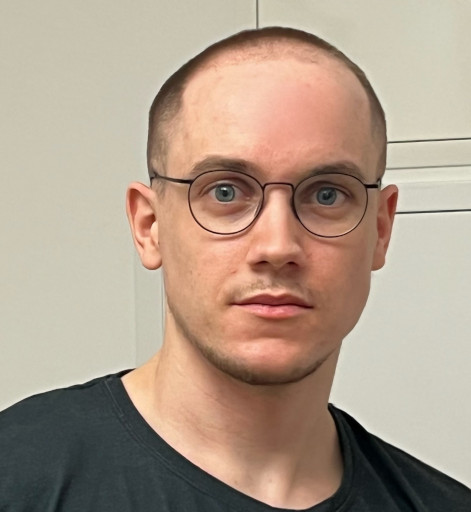


Our research seminar welcomed external speakers including David Rügamer (LMU), Fabian Schaipp (INRIA), Anirbit Mukherjee (Manchester), and Takeshi Koshizuka (Science Tokyo), among many others.
Our team members also traveled abroad for research stays at the Institute of Statistical Mathematics in Tokyo, Université Grenoble Alpes, National Taiwan University, and Georgia Tech.
We thank everyone for making 2025 unforgettable. We can’t wait to see what breakthroughs and adventures 2026 brings!
We wish everyone a happy new year!